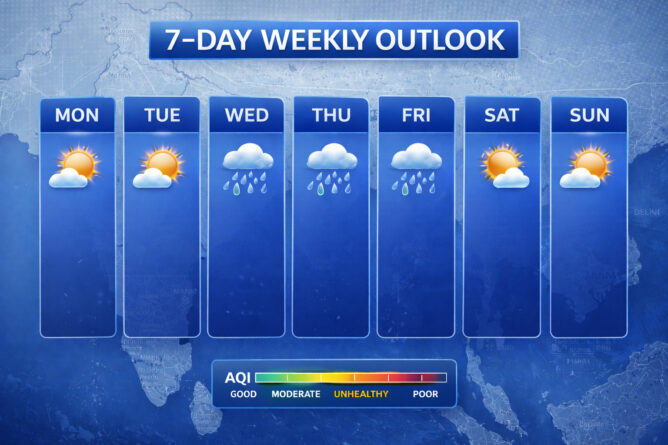
Understanding the intricacies of the IMD Weather Forecast is crucial for sound operational planning across various sectors. From agriculture to logistics, having an accurate picture of atmospheric conditions directly impacts efficiency and risk mitigation. We rely heavily on the India Meteorological Department for timely updates, which often dictate daily business decisions.
It’s not just about rain; temperature fluctuations, wind speed, and visibility all play significant roles. Businesses need to integrate these data points into their standard operating procedures efficiently. Ignoring these advisories, even minor ones, can lead to unnecessary expenditures or delays down the line.
Interpreting Today’s Meteorological Data
The data released by the IMD this morning presents a fairly typical mid-week scenario for the central regions, though coastal areas show some interesting divergence. We should examine the specifics rather than relying on generalized assumptions about the weather patterns we usually observe this time of year. Pay close attention to the localized warnings, as regional variations can be quite pronounced.
Analyzing Temperature Trends and Humidity Levels
Right, so looking at the afternoon projections, temperatures are expected to peak slightly above the historical average for this date. This necessitates a review of indoor climate control protocols for facilities housing sensitive equipment or perishable inventory. Furthermore, the humidity index suggests conditions conducive to potential equipment strain.
We noted a humidity spike around 14:00 hours in the western corridors, which might affect packaging integrity if materials aren’t adequately shielded. It’s imperative that site supervisors check environmental seals immediately following lunch service. These small details really add up over a fiscal quarter, don’t they?
Wind Patterns and Their Impact on Transportation
The wind speed projections for the immediate 24-hour window indicate sustained moderate gusts. For businesses relying on drone inspections or open-air construction activities, this presents a moderate but manageable risk factor. Standard safety protocols regarding height access must be strictly enforced today.
Logistics managers should confirm that all external loads are properly secured before dispatch. While major disruptions aren’t anticipated according to the IMD Weather Forecast, even a minor shift in wind direction can compromise unsecured tall cargo during highway transit. Better safe than scrambling to file an incident report later.
Precipitation Probability Assessment
The probability of precipitation remains low for the majority of the daylight hours, which is excellent news for scheduled outdoor maintenance works. However, the late evening outlook shows a slight uptick in the chance of isolated showers moving in from the southeast. This timing is key for project managers wrapping up exterior tasks.
It’s prudent to have contingency plans ready for rapid equipment covering, even if the chance is listed as less than 30%. A quick deployment of tarps is much less costly than repairing water damage to sensitive electronic components left exposed overnight.
Tomorrow’s outlook suggests a more dynamic atmospheric situation, primarily driven by an approaching low-pressure system moving inland. Proactive analysis of the IMD Weather Forecast for the next 48 hours will give us a considerable strategic advantage over competitors who wait until the morning bulletin. We must prepare for potential shifts in operational tempo starting tomorrow morning.
Tomorrow’s Early Morning Conditions
The early morning hours tomorrow, say between 06:00 and 09:00, show the highest likelihood of significant weather interaction. The forecast indicates potential for dense fog, particularly around river valleys and lower-lying industrial zones. This directly affects employee commute times and early shift setup.
Operations personnel should coordinate with transport providers regarding visibility limitations. Perhaps an earlier start time for essential personnel might mitigate delays caused by reduced highway speeds due to poor visibility. Let’s ensure communication lines are open well before sunrise.
Midday Tomorrow: A Look at Atmospheric Pressure
Atmospheric pressure is projected to drop steadily throughout the morning tomorrow, correlating with the approaching instability. While this doesn’t directly translate to immediate operational halts, steady pressure drops signal intensifying weather events later in the day. Monitoring the rate of change is more informative than the absolute value right now.
This drop suggests that any scheduled aerial surveying planned for tomorrow should ideally be executed in the very early window, before 11:00 hours, if possible. After that point, the risk associated with sudden wind shear increases markedly, according to the departmental projections.
Advisories for Agricultural and Water Resource Management
For our stakeholders in agricultural processing and water management, tomorrow’s forecast carries specific weight regarding potential runoff and soil saturation levels. If the projected rainfall materializes, localized flooding in low-lying fields needs to be addressed preemptively.
Reviewing the soil moisture models against the predicted rainfall volume is a necessary action item for the regional managers this afternoon. We need to decide now whether irrigation schedules need to be paused or if drainage systems require manual clearing in vulnerable zones ahead of any heavy downpour. These proactive steps save significant resources later.
Reviewing Sector-Specific Preparedness Steps
- Construction Sites: Double-check anchor points on all tall structures before end-of-day shutdown.
- Data Centers: Verify backup power switchover functionality in light of potential high winds impacting external lines.
- Shipping & Receiving: Ensure loading docks have adequate overhead protection ready for quick deployment against unexpected rain squalls.
- Field Teams: Mandate the use of updated GPS trackers and require hourly position checks during periods of elevated risk tomorrow.
It’s always wise to plan for the worst-case scenario while executing based on the most probable outcome presented in the IMD Weather Forecast. That balance ensures resilience without sacrificing productivity unnecessarily.
Frequently Asked Questions Regarding Current Weather Data
What is the designated threshold for issuing a severe wind warning by the local IMD office?
The threshold typically varies by region and terrain type, but generally, sustained winds exceeding 45 knots (around 83 km/h) trigger the highest alert level for non-cyclonic activity. Always check the specific hazard matrix published with the daily report.
Are there any reported anomalies in the sea surface temperature data influencing coastal humidity?
Yes, the bulletin mentioned a localized patch of slightly cooler water offshore, which is contributing to slightly higher overnight fog potential near harbors, impacting early morning maritime traffic schedules.
How reliable are the 48-hour precipitation predictions compared to the 72-hour outlook?
Historically, the 48-hour outlook carries significantly higher model confidence due to less cumulative error. The 72-hour forecast should be treated more as directional guidance rather than an actionable schedule input.
We must maintain a disciplined approach to monitoring these evolving atmospheric conditions. Sound business practice dictates that we translate meteorological data into tangible procedural adjustments immediately. By staying ahead of the curve and reacting swiftly to the nuanced details within the IMD Weather Forecast, we ensure smoother operational flow.