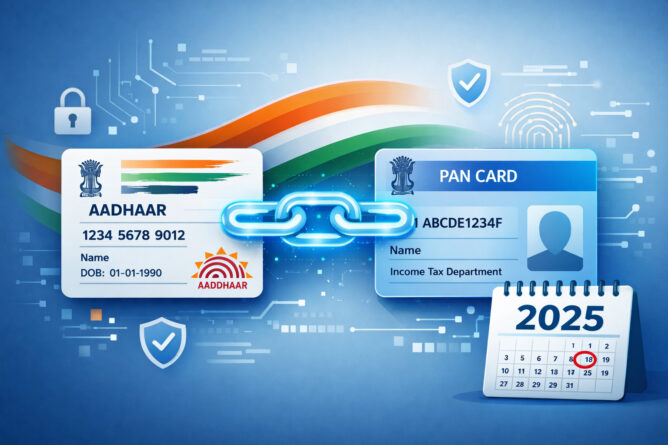
The notification regarding the Aadhaar PAN Linking Deadline 2025 has certainly caused a bit of a stir across the Indian business landscape.
It’s one of those compliance tasks that, while seemingly straightforward, often gets relegated to the bottom of the priority list.
However, given the recent extensions and the seriousness of the implications for non-compliance, it’s time we gave this topic the focused attention it warrants. Ignoring this linkage isn’t just an administrative oversight; it directly impacts your financial operations.
It’s crucial that businesses and individuals alike ensure their Permanent Account Number (PAN) is correctly tethered to their Aadhaar number well before the stipulated date. We’re talking about avoiding penalties, yes, but also ensuring seamless transaction processing mandated by regulatory bodies.
Navigating the Procedural Requirements for Linking
The process itself, thankfully, has been streamlined over the years, though a few hiccups can still crop up, particularly if your details aren’t perfectly consistent across both documents. Getting this right upfront saves considerable administrative headaches down the line, trust me on that.
Verifying Existing Linkage Status
Before initiating any action, the first prudent step is to confirm the current status. Many taxpayers assume their documents are linked when, in fact, they aren’t, or perhaps the link has somehow become defunct due to system updates.
You need to use the official Income Tax e-filing portal for this verification step. It’s usually a quick check involving entering your PAN and Aadhaar details into the designated field.
This verification is key because it dictates your next move. If it shows “Linked,” well, fantastic; you can breathe a little easier for now. If it indicates otherwise, you need to proceed immediately to the next phase of action.
Required Documentation and Data Consistency
The primary hurdle people encounter involves mismatched details. Name spelling, date of birth even minor discrepancies between your PAN card and Aadhaar card can halt the linking process automatically.
You must rectify these issues at the source document first, either via the UIDAI portal for Aadhaar or the NSDL/UTI portal for PAN updates.
Ensure you have digital copies of both documents handy, though the actual linking process is mostly digital data entry. Accuracy here prevents frustrating rejection loops later on.
The Actual Linking Procedure Online
Once you’re confident in your data integrity, the actual linking is performed on the Income Tax Department’s website.
Look for the specific service option—it’s usually labeled quite clearly, something along the lines of “Link Aadhaar.” You’ll input the numbers and submit an OTP-based verification if required.
It’s important to note that if you’ve previously tried linking and failed, the system might prompt you for pending fees or require you to re-verify certain information. Pay close attention to any error messages provided by the system interface.
Handling Linking for Non-Residents or Specific Exemptions
It’s not universally applicable to everyone, which is a point worth clarifying. Certain categories of individuals, such as those residing in specific northeastern states or non-residents who don’t possess an Aadhaar,
might be exempt from the mandatory linking requirement. Always cross-reference the latest circulars to confirm your exact status relative to the exemption criteria.
It’s vital to check the official government notifications, as these exemption lists can sometimes be revised or clarified without extensive public fanfare. Don’t rely solely on generalized forum advice here.
What Happens If the Aadhaar PAN Linking Deadline 2025 Passes Unmet?
This is where the potential sting comes into play. The government has been firm that post-deadline, non-linked PANs will become “inoperative.” Think about what that means practically for your financial footprint in India.
If your PAN is inoperative, several critical functions cease immediately. For instance, you won’t be able to file your Income Tax Returns (ITR) effectively, which itself triggers further penalties.
Moreover, any high-value transactions requiring mandatory PAN quoting, like purchasing mutual funds or opening bank accounts, will be blocked or subject to higher TDS rates.
The financial ramifications aren’t trivial; they disrupt legitimate business continuity. Imagine trying to process a substantial payment where your PAN is flagged as inactive—that’s a significant operational roadblock.
Reactivating an Inoperative PAN Post-Deadline
Should one miss the Aadhaar PAN Linking Deadline 2025, there is usually a remediation path, though it’s never preferable to proactive compliance. The standard procedure involves paying a late fee which, let’s be frank, increases incrementally the later you get it done and then completing the linkage.
The system will typically guide you through the payment process first, often through a challan payment mechanism specified on the portal.
Only after the fee payment is successfully processed will the system allow you to proceed with the actual linkage submission. This reactivation isn’t instantaneous, so budget time for processing delays.
I suggest keeping records of all fee payments and linkage acknowledgments. You’ll need these for audit trails, should any queries arise later regarding your compliance status during the inactive period.
Key Actionable Steps for Assured Compliance
To ensure you’re fully prepared and avoid any last-minute scrambling, create a small checklist. This structured approach minimizes the risk of overlooking a crucial detail in the rush.
- Confirm Status: Visit the e-filing site and check the current linkage status.
- Verify Details: Cross-reference names and DOBs on both Aadhaar and PAN databases.
- Update Discrepancies: Correct any mismatch at the source portal first.
- Execute Linkage: Complete the linking form online once details align.
- Retain Proof: Download and save the linking confirmation receipt immediately.
It truly seems like the authorities are simplifying the process, but the responsibility for timely execution rests squarely on the taxpayer. Don’t underestimate the bureaucratic momentum once deadlines are breached.
Frequently Asked Questions Regarding Linkage
Q1: Is the linkage mandatory if I only have a PAN and not an Aadhaar?
A: If you do not qualify for any specific exemption category outlined by the CBDT, yes, obtaining an Aadhaar and linking it becomes mandatory for continued PAN validity.
Q2: If my bank account requires a PAN, will transactions stop immediately upon the deadline if I haven’t linked?
A: While the PAN becomes “inoperative,” banks are mandated to treat transactions accordingly, often resulting in higher Tax Deducted at Source (TDS) rates applied to your earnings or payments processed through that account.
Q3: How long does the reactivation process usually take after paying the penalty fee?
A: Reactivation time can vary, but typically once the fee is paid and the linkage is submitted successfully, it might take a few business days for the status to reflect as active across all government databases.
It’s prudent business management to treat the Aadhaar PAN Linking Deadline 2025 not as a far-off target, but as an immediate operational requirement to keep your financial pathways clear and avoid unnecessary penalties related to your Aadhaar PAN.