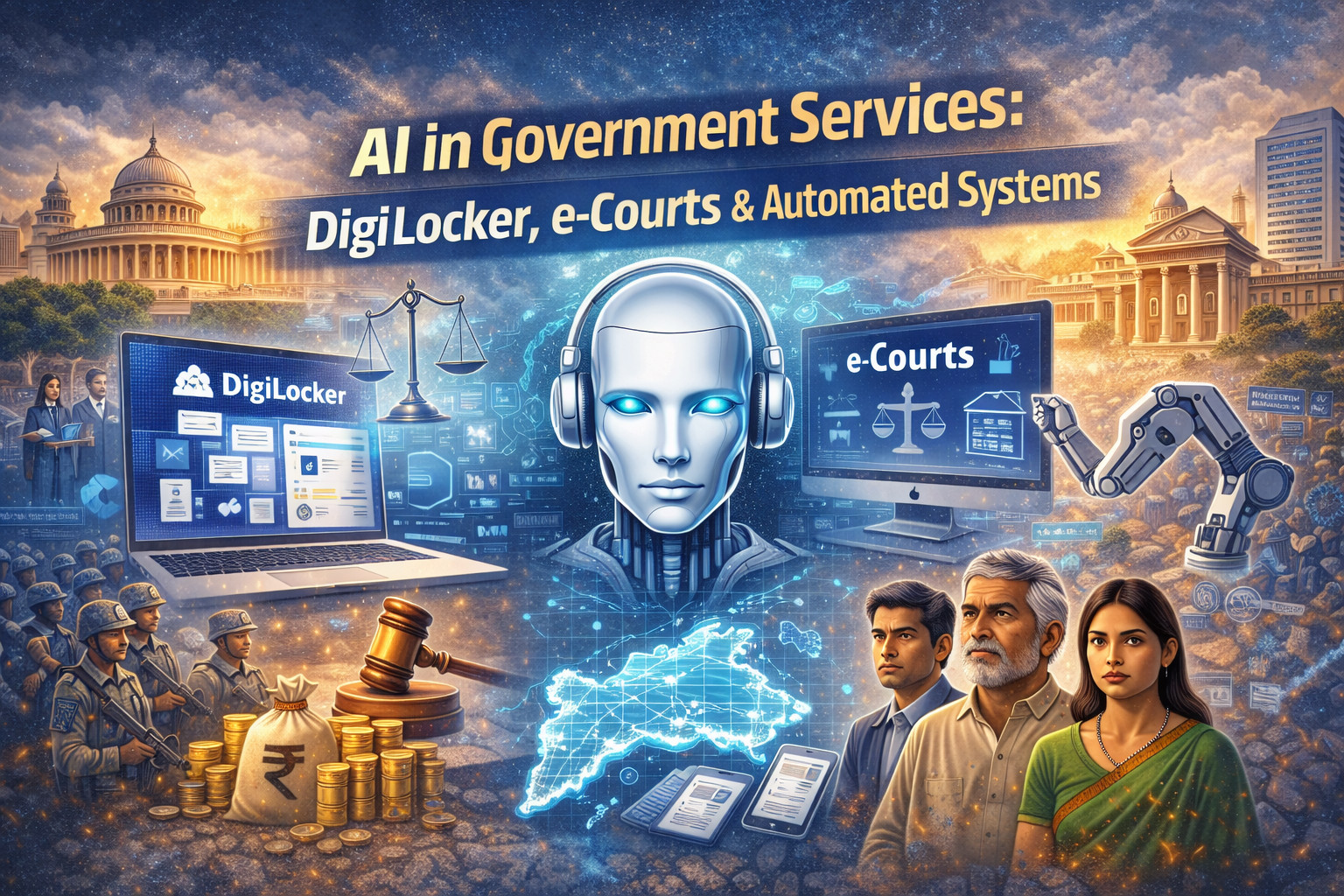
The integration of artificial intelligence into public sector operations isn’t just a futuristic concept anymore; it’s actively reshaping how citizens interact with their governments. We’re seeing tangible shifts in efficiency and accessibility across various departments. Frankly, many governmental bodies are realizing that embracing these technologies is no longer optional but rather a necessity for modern governance.
This transformation is happening quietly in some areas and quite loudly in others, driven by the need to process vast amounts of data and deliver quicker responses. Organizations are looking at AI to handle routine tasks, freeing up skilled personnel for more nuanced decision-making. It’s about augmenting human capabilities, not replacing them wholesale, though that transition always causes some debate.
Navigating the Digital Shift in Public Sector Operations
The application of AI in Government Services presents a compelling case study in operational modernization. When you look at large-scale bureaucratic structures, the potential for optimization through intelligent automation becomes immediately apparent. We’re moving away from paper-heavy, manual processes toward streamlined digital workflows that benefit everyone involved. This isn’t just about speed; it’s fundamentally about accuracy and reducing human error in critical processes.
Enhancing Citizen Data Management with DigiLocker
Consider the utilization of platforms like DigiLocker. This system fundamentally alters how citizens manage and share official documents. Instead of repeatedly visiting various offices for verification or document submission, citizens maintain a centralized, verified digital repository. This lessens the administrative load on departments significantly.
The security protocols surrounding such systems must be robust, of course. Trust is the primary currency in government-citizen interaction, and any data breach would instantly undermine years of progress. Therefore, the continuous auditing and updating of these digital vaults remain paramount concerns for IT governance teams worldwide. It’s a balancing act between accessibility and airtight security measures.
The Evolution of Judicial Processes Through e-Courts
The justice system, traditionally slow to adopt radical technological changes, is experiencing significant upheaval due to AI integration. The e-Courts initiative, for instance, leverages technology to manage case filings, scheduling, and even preliminary document review. This doesn’t mean AI is ruling on cases, naturally.
Instead, it focuses on administrative efficiency, ensuring that judicial resources are applied where they matter most: to the arguments themselves. Imagine the reduction in logistical bottlenecks when filings are instantly digitized and accessible across jurisdictions. This modernization helps clear backlogs that plague many judicial systems globally.
Streamlining Public Service Delivery via Automation
Automation extends far beyond document management and court logistics. Think about routine inquiries handled by sophisticated chatbots or automated systems sorting incoming requests based on urgency and department relevance. These systems act as essential first-line responders, ensuring that complex issues reach the correct human expert promptly.
This reallocation of human effort is crucial. Front-line staff can shift their focus from answering repetitive questions—”When is my license renewal due?”—to addressing citizen grievances requiring empathy and situational judgment. It’s a clear productivity gain that justifies the initial investment in these tools.
Ensuring Ethical Deployment in Government AI
A crucial factor often discussed, perhaps slightly too infrequently in public discourse, is the ethical framework underpinning these systems. When algorithms determine eligibility for social benefits or flag potential fraud, bias mitigation becomes a serious professional responsibility. Algorithms reflect the data they are trained on, imperfections and all.
Governments must establish clear guidelines regarding algorithmic transparency and appeal mechanisms. If a citizen believes an automated decision was flawed, there absolutely needs to be a clear, human-overseen process to challenge that determination swiftly. Ignoring this aspect risks creating new forms of systemic unfairness.
Measuring Success in AI Implementation
How do we actually gauge whether the adoption of AI in Government Services is yielding the promised results? It requires moving beyond anecdotal evidence to quantifiable metrics. Key Performance Indicators (KPIs) must be established before deployment to track tangible improvements accurately.
- Reduction in Turnaround Time (TAT): Measuring the time taken for common service requests before and after AI deployment.
- Error Rates: Tracking the decrease in manual processing mistakes across digitized workflows.
- Citizen Satisfaction Scores: Directly surveying users on the ease of accessing and completing digital government interactions.
- Resource Reallocation Efficiency: Quantifying the percentage of staff time shifted from administrative tasks to higher-value activities.
These measurements ensure accountability and provide the necessary data to justify further technological investments or necessary recalibrations of existing systems. It’s essential that these projects are managed with rigorous operational oversight.
Challenges in Legacy System Integration
Adopting cutting-edge AI tools often bumps directly into the reality of decades-old IT infrastructure within many government agencies. These legacy systems, built on outdated architecture, weren’t designed for seamless data exchange with modern cloud-based AI applications. Interoperability presents a genuine headache.
Bridging this gap requires significant capital expenditure and often necessitates bespoke middleware solutions, which adds complexity and cost. Furthermore, training existing staff, who may be deeply familiar with the old ways of working, to embrace and utilize new AI-driven interfaces requires substantial change management expertise. It’s not just a tech upgrade; it’s a cultural one too.
The momentum toward technologically advanced public administration is undeniable. As these tools mature and become more integrated, the public experience stands to improve dramatically across the board. Success hinges on thoughtful implementation and a sustained commitment to ethical oversight throughout the entire lifecycle of the technology. We must ensure that the benefits of AI in Government Services are realized equitably for every segment of the population.