
IND W vs SL W: कप्तान Harmanpreet बनाम Chamari – Shefali होंगी X-Factor?
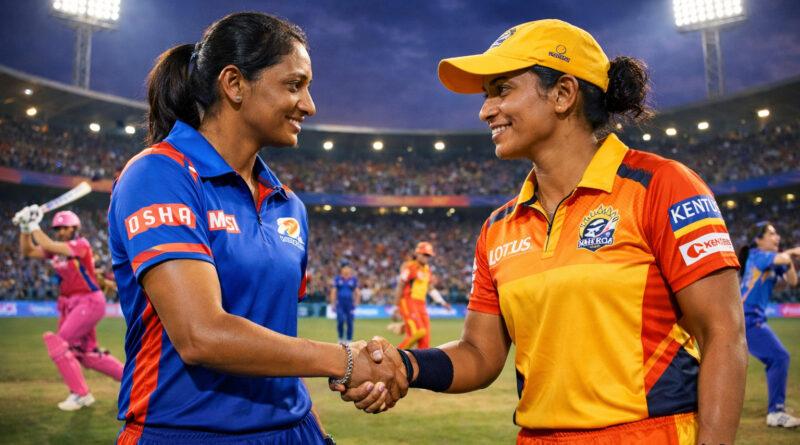
The Women’s Premier League (WPL) is heating up, and the contest between the UP Warriorz (UPW) and Mumbai Indians (MI) promises quite a spectacle. We’re looking at a clash of captains, really, with Harmanpreet Kaur leading the charge for MI against Chamari Athapaththu’s UPW side. It’s shaping up to be a tightly fought affair, you know, the kind that keeps you glued to the screen until the very last ball.
It’s interesting to see how the tactical approaches differ between these two seasoned campaigners. Harmanpreet brings a certain brand of assertive, aggressive cricket, something we’ve seen dominate the international circuit for years. Athapaththu, on the other hand, often relies on those moments of individual brilliance, capable of turning a match on its head single-handedly with bat or ball.
Key Matchup Dynamics
The crucial element in any T20 fixture, frankly, rests on how the top order handles the powerplay restrictions. For MI, the reliance on their established batters, spearheaded by their captain, is significant. If Harmanpreet gets going early, that sets a tremendous platform, allowing the middle order to build momentum without undue pressure. That’s just good cricket strategy, isn’t it?
Assessing the Bowling Attacks
Neither bowling unit is exactly lightweight, but there are areas where one might have a slight edge, perhaps. UPW’s pace battery has shown flashes of real threat, hitting those hard lengths consistently. However, MI possesses variety, particularly in the spin department, which could prove stifling as the pitch wears, assuming there’s any wear to speak of by the second innings. That spin threat matters, particularly against batters prone to playing aggressively through the line.
We saw in the last round how crucial early wickets are in disrupting the flow of the opposition’s scoring rate. If the bowlers can execute their plans cleanly—hitting the right spots repeatedly—it puts the onus right back on the batters to innovate constantly. That’s where errors creep in, leading to those crucial dismissals.
The Middle Order Stability Question
For both teams, the middle order’s ability to consolidate after an early wobble remains paramount. It’s easy to look good when the top order fires, but the true test of depth emerges when two or three quick wickets tumble. Can the supporting cast step up to ensure the team doesn’t just collapse but actually fights back to post a respectable total? This often separates the good sides from the truly excellent ones.
UPW, specifically, might look towards their slightly less experienced players here to show some grit. Sometimes, that unexpected performance from a lower-order player can be the turning point everyone remembers. It’s about seizing those unexpected opportunities, right?
Captaincy Showdown: Strategy Under Pressure
This match really boils down to who out-thinks the other in those high-pressure moments. Does Harmanpreet rotate her bowlers proactively, or does she trust her main strike bowlers to run through their overs? Athapaththu faces similar decisions regarding field placements and when to bring on the spinners during those vital middle overs. These micro-decisions aggregate over 40 overs, often deciding the result.
I’d anticipate some very cagey captaincy early on, especially if the first innings sees a bit of swing or seam movement. Once the field spreads, then the real chess match begins in earnest. It’s fascinating to watch two such strong leaders manage their resources across 22 yards.
The Potential Game Changer
Everyone talks about the star players, naturally, but T20 cricket often hinges on the unsung hero or the unexpected X-factor. Shefali Verma, for MI, presents exactly that kind of variable. Her form has been patchy, sure, but if she clicks—truly clicks—she can take the game away in about three overs flat.
If UPW fails to neutralize that potential explosive start from the top order, particularly from someone like Shefali, the entire structure of the innings can crumble quickly. It’s that volatility that makes her so compelling to watch, for better or worse, in terms of consistency.
Injury Updates and Team Selection Nuances
One cannot overlook the physical condition of the playing XI going into a demanding tournament schedule. Are there any niggles lingering from the previous fixture that might force a tactical change in personnel? Team management often has to make tough calls between backing a player through a minor issue or opting for a fresh component who offers a different skill set entirely. These aren’t simple substitutions; they ripple through the balance.
For instance, if a key overseas spinner is slightly fatigued, bringing in a domestic option alters the team’s attacking profile significantly. Those fine-tuning decisions right before the toss often leak information about the preparation focus for that specific day.
Batting Approach and Target Setting
Setting a target or chasing one under the lights invariably changes the required tempo. If MI bats first, they’ll be aiming for something in that 170-plus range, banking on their strong finishing ability to maximize the final five overs. That requires sustained aggression from the middle order, not just bursts.
Conversely, if UPW sets the total, their reliance on Athapaththu to ensure a fast start becomes even more pronounced. Chasing a large total puts immense scoreboard pressure on the openers right from ball one, forcing proactive cricket regardless of the conditions presented by the bowlers.
Performance Indicators to Monitor
There are specific statistical areas that always merit close attention when evaluating team performance trends. Which team is better at preserving wickets during the middle overs (7-15)? And, just as important, which team has the highest boundary percentage during their initial scoring phase?
Here’s a quick look at what I’m tracking:
- Dot Ball Percentage: Lower is obviously better for the batting unit.
- Strike Rate Against Spin: Crucial for breaking middle-overs stagnation.
- Wickets in the First Six Overs: A clear indicator of bowling unit dominance early on.
These metrics often reveal more about underlying team stability than just the final scoreline itself.
What Happens in the Final Overs?
The death overs, both with the bat and the ball, are where the pressure truly crystallizes. Bowlers who maintain their nerve—executing Yorkers or wide, deceptive slower balls—will earn their salaries here. For the batters, it’s about quick assessment of the field and only taking calculated risks against bowlers who deviate slightly from their intended line.
The discipline shown by MI’s bowlers under pressure, particularly when defending a score, will be a major talking point surrounding Harmanpreet and her troops.
Frequently Asked Questions About the Matchup
What historical data suggests about team success in high-stakes evening fixtures?
Historical performance often favors the team with more recent experience in major finals, allowing for better emotional regulation when the pressure spikes in the latter half of the game.
How might the toss influence the ultimate result in this specific venue?
If the pitch appears unresponsive early on, winning the toss and batting first allows the top order to set a standard without the added complication of chasing under lights.
If the UPW batters struggle early, which MI bowler is best positioned to exploit that?
Any spinner who can consistently land the ball on the good length outside off-stump presents a significant challenge against a set of uncertain batters looking to push forward.
Ultimately, the side that manages the inevitable turbulence better, showing superior adaptability to in-game shifts, is the one that will walk away victorious when the dust settles on this intriguing contest featuring Captain Harmanpreet.